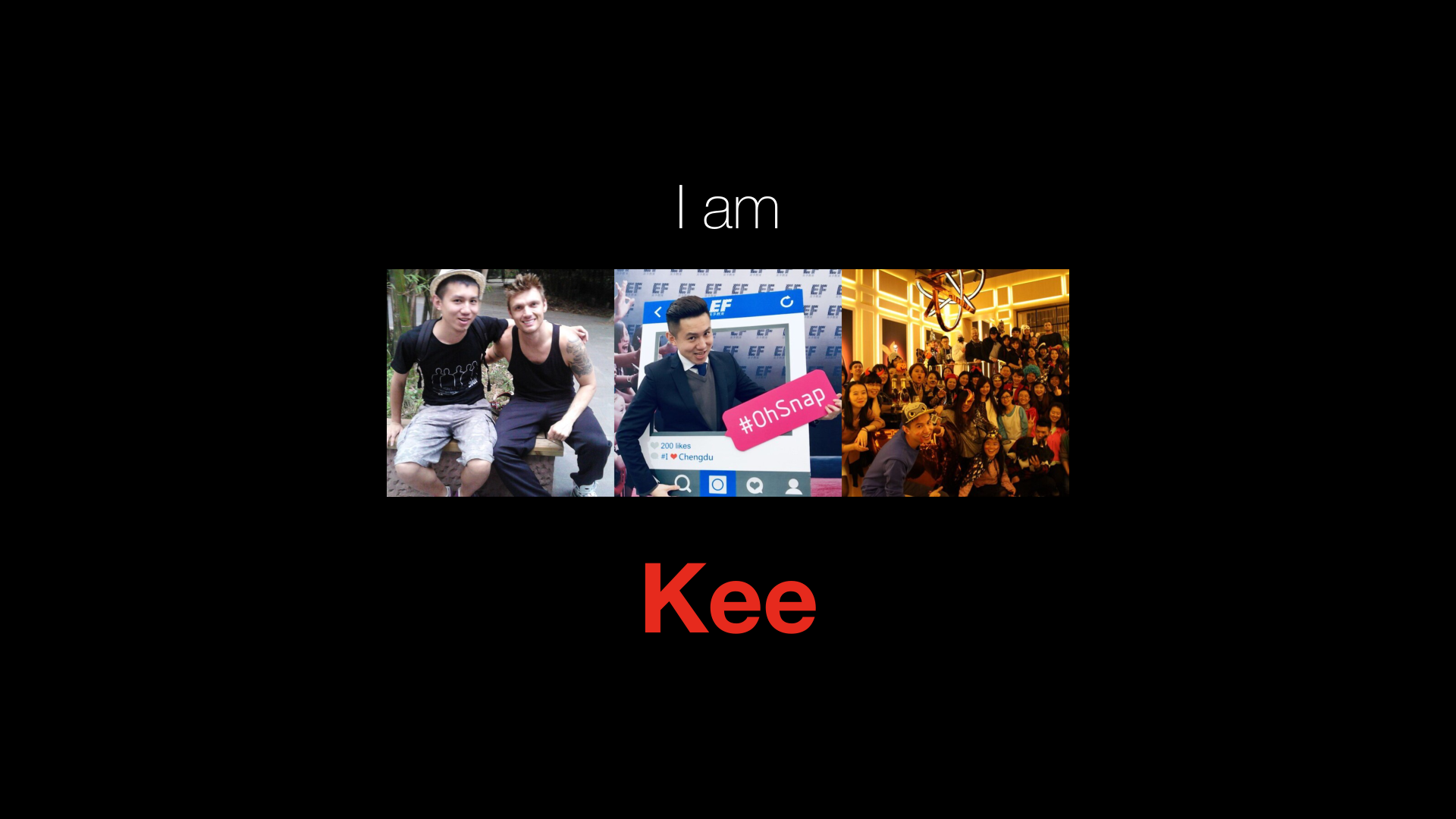
I am Kee. Before I became a teacher, I worked as an interpreter, serving high-profile clients including the Backstreet Boys. I was also an event planner, hosting hundreds of parties for English learners across Chengdu. Over the years, I worked my way up to become an expert English teacher as well as an EdTech solopreneur — which is really just a fancy word for a one-man company — behind Kee's Language Lab.
I've spent years mastering the mechanics of language, but not too long ago, I found myself standing in a crowded language training classroom right here in Chengdu.
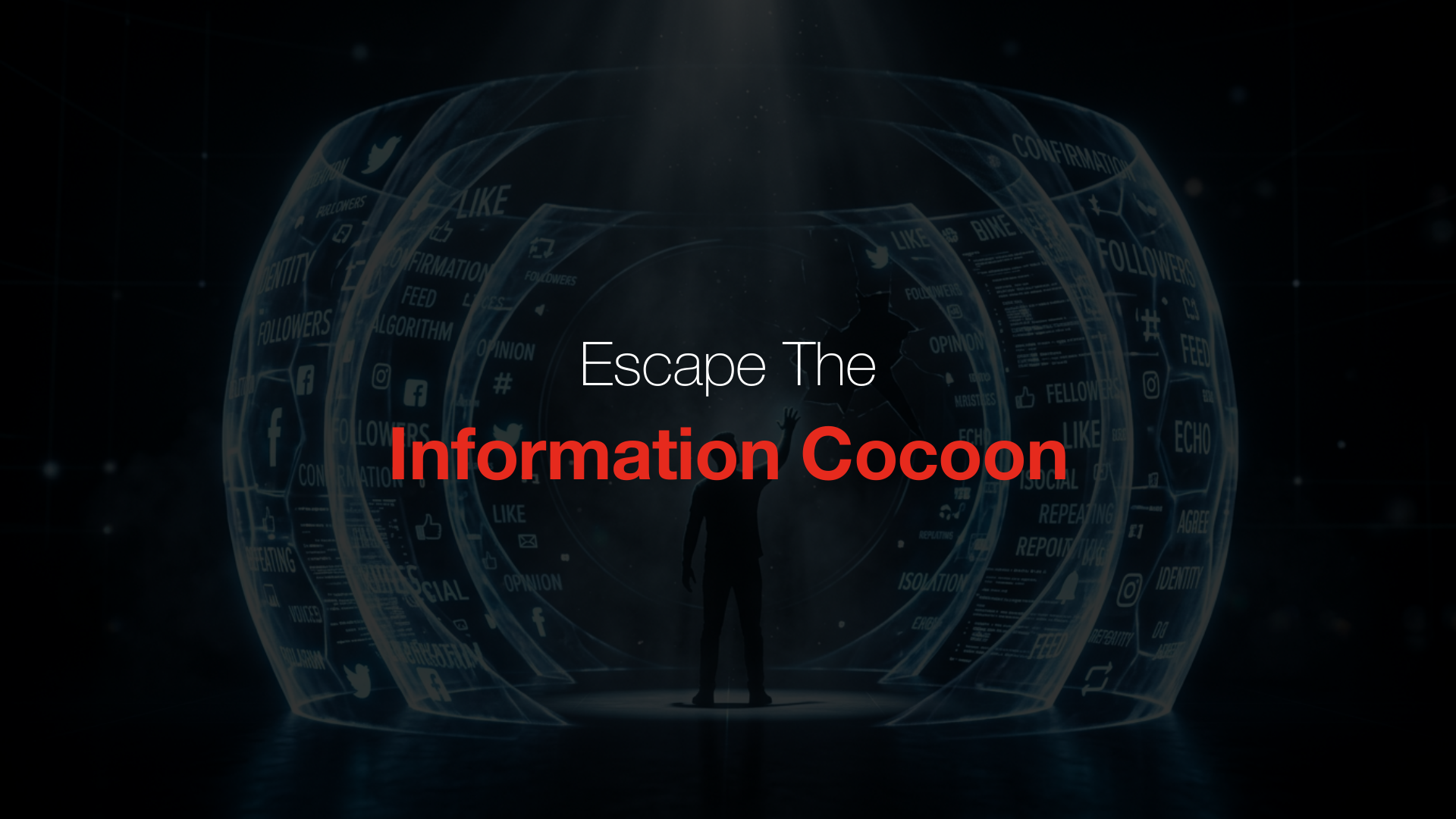
The air conditioner was humming, the fluorescent lights were buzzing — casting this dull, sterile glow over everything — and I was... exhausted. I was looking out at a sea of students who were desperately trying to memorize vocabulary lists and grammar rules just to pass standardized tests. They were stressed. I was burned out. We were all trapped in what I call the "Information Cocoon."
In this cocoon, the dynamic is simple, but deeply flawed: The student is the passive consumer, and the teacher — me — is the ultimate bottleneck of knowledge. My job was to stand at the front of the room, memorize the textbook and the lesson aim, and pour that data into their heads.
In the past, the information gap was incredibly difficult to fill, which is why that system worked for centuries. But today? We are drowning in data, and yet, we are starving for actual understanding.
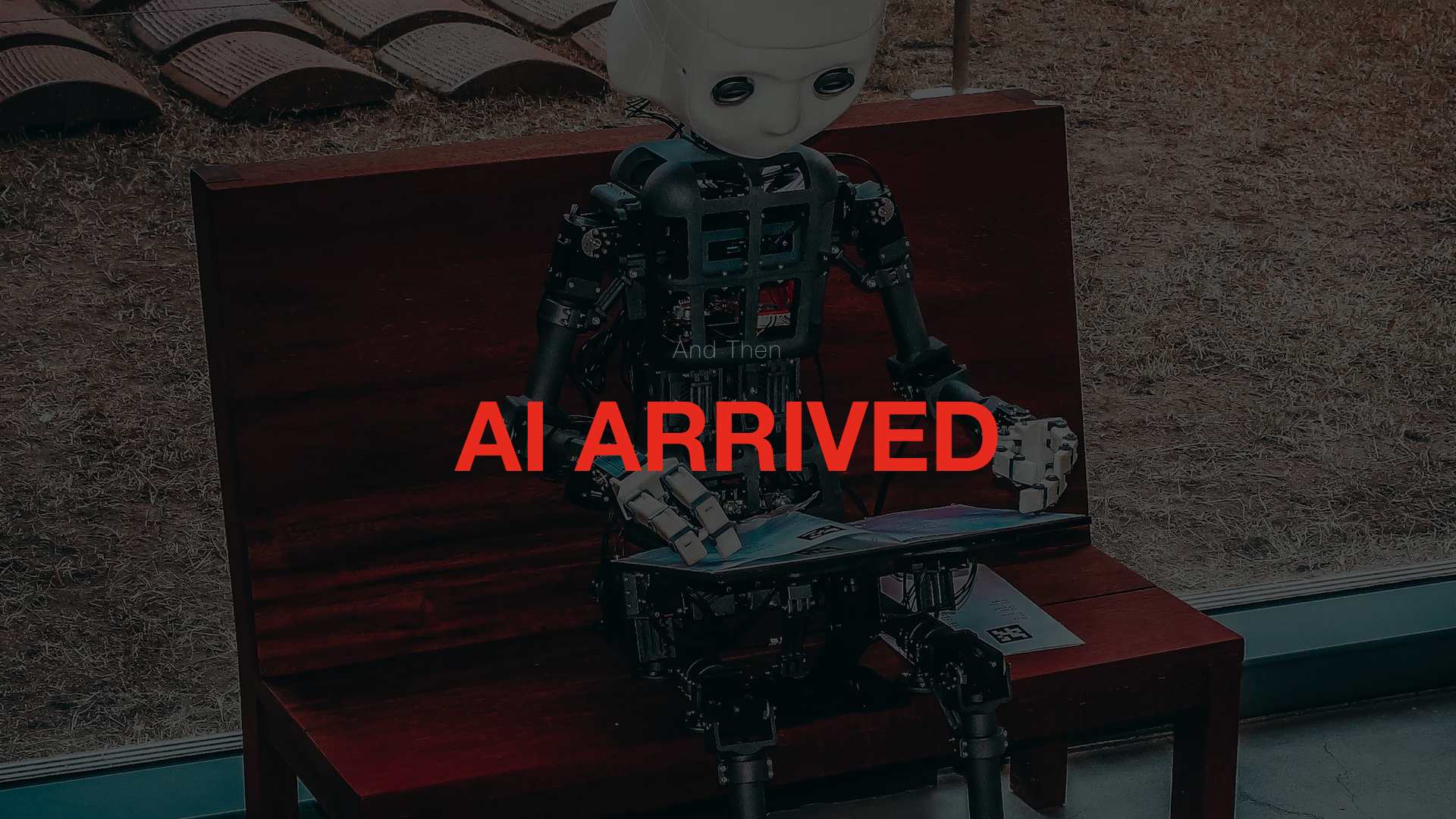
And then, the paradigm shifted. Artificial Intelligence arrived. Tools like Gemini hit the mainstream, and suddenly, the entire education industry panicked. School managers were terrified of cheating. Teachers were terrified of obsolescence.
And honestly? For a brief moment, I was terrified too. Here was a machine that could generate essays, solve complex equations, and translate languages in milliseconds. It was a faster, smarter, infinitely more patient "content provider." If an AI could do all of that... what was my purpose? Why was I standing at the front of the room?
But that fear quickly turned into an epiphany. A visceral, life-changing realization. My eureka moment.
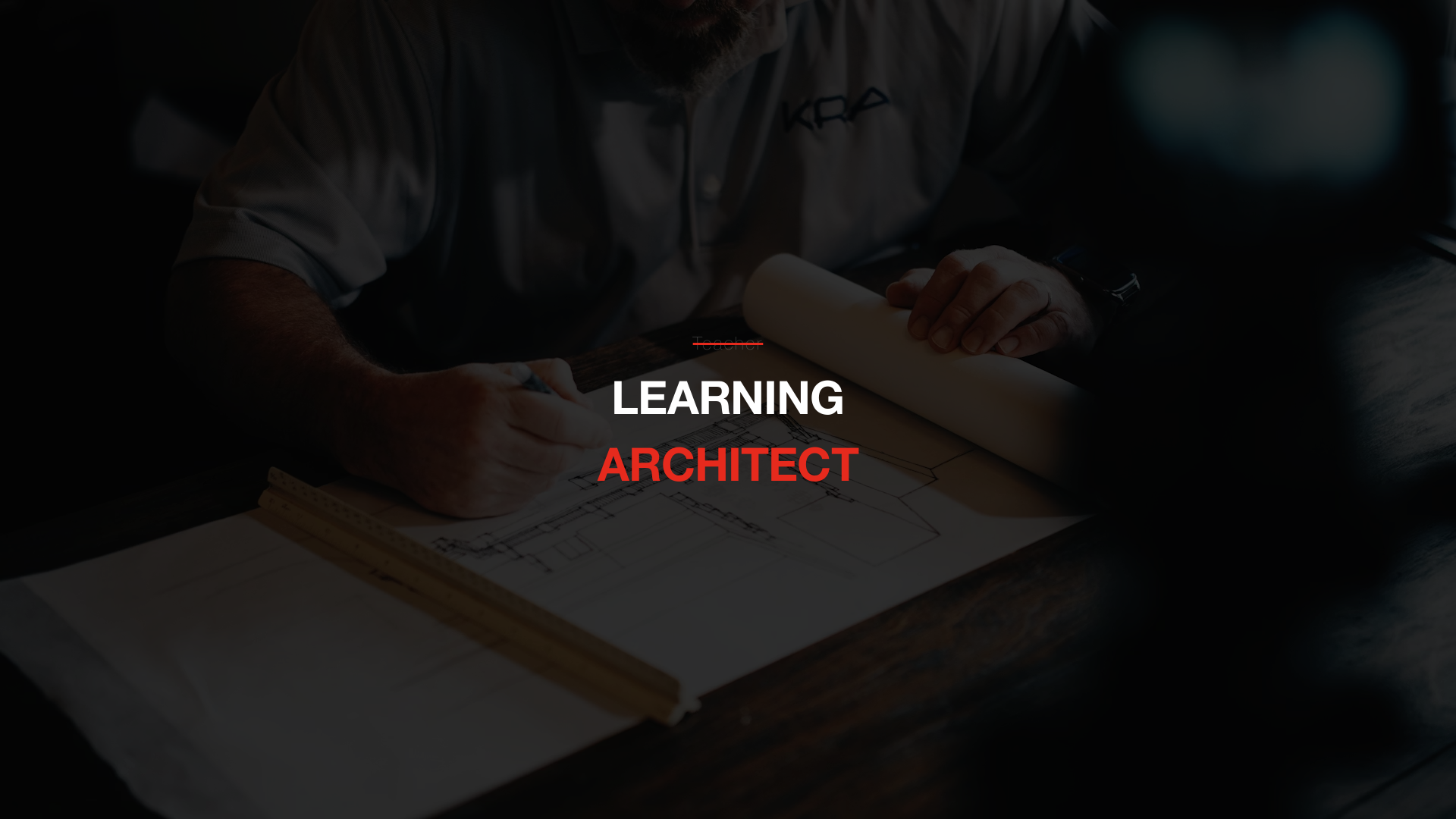
I don't need to be the content provider anymore. In fact, trying to compete with AI as a data-delivery system is a losing game. That realization wasn't the end of my career. It was the moment I finally broke out of the box. I stopped being a "Teacher," and I became a "Learning Architect."
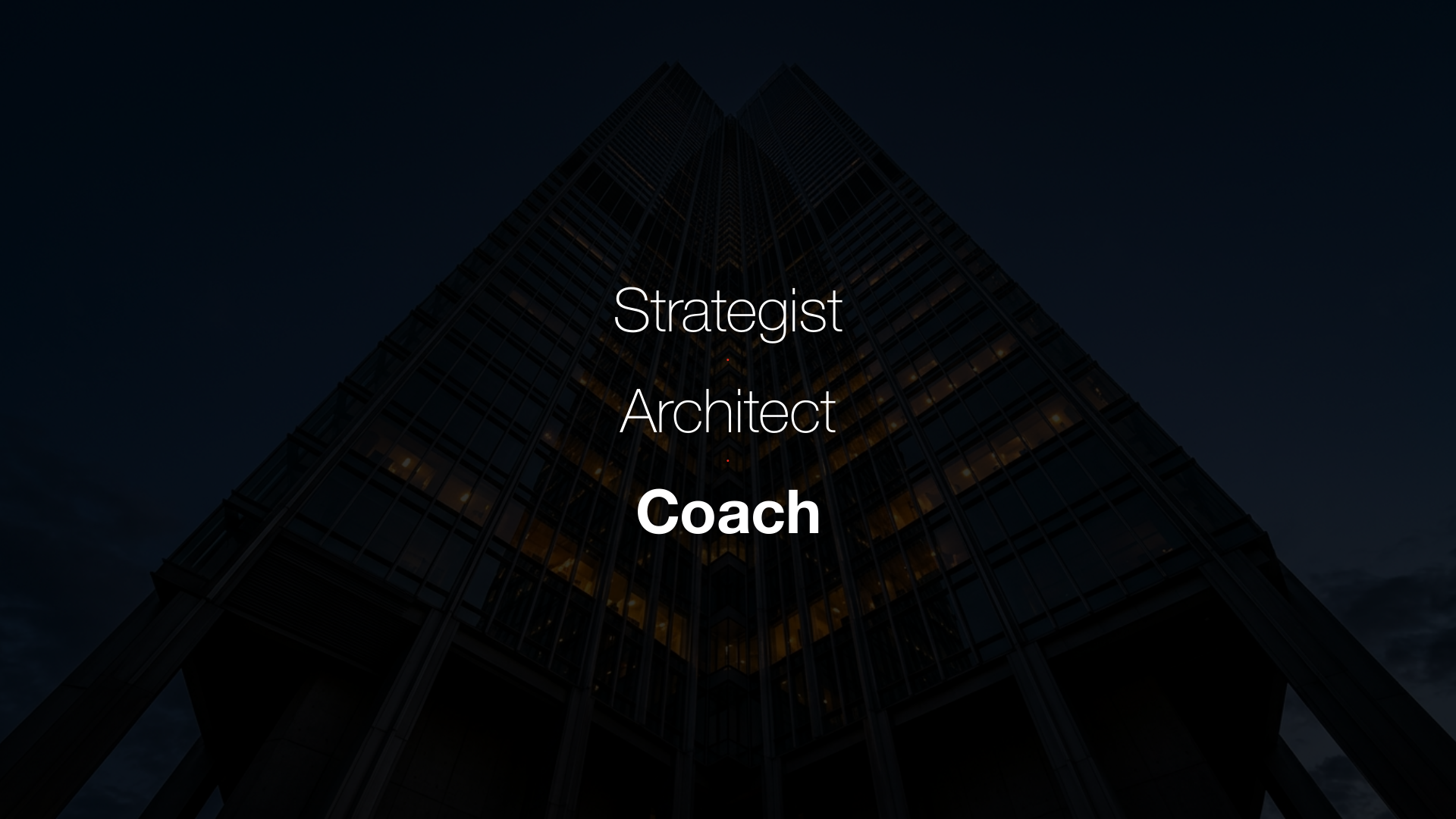
If AI is the infinite content engine, then the human role must evolve. We must step down from the podium and step into the role of the Strategist, the Architect, and the Coach.
This realization gave me the courage to leave the traditional institutional system entirely and build my own AI-powered courseware. But I quickly realized that simply giving people AI tools wasn't enough. You can hand someone a supercomputer, but if they don't know how to ask the right questions, it's just a very expensive paperweight. The truth is, prompt engineering is much more important than the AI itself.
We had to fundamentally change how we learn. Learning is no longer about acquiring data; learning is simply mastering the art of learning how to learn.
To bridge this gap, I developed a learning operating system for the AI era. I call it DynamOS. And unlike operating systems that rely on flashy interfaces, this one delivers results through a core concept I call the R.U.A. Method.
It stands for Recognize, Understand, and Apply.
First, Recognize. In the past, learning meant staring at a textbook chapter. Today, Recognizing means identifying the core boundaries of your learning target so you can prompt the AI correctly. It's the art of asking the right questions. For example, when learning a new word, you don't just ask for a definition. You ask the AI to recognize the Meaning, Form, and Pronunciation — the MFP — and identify the main gap between you and your learning target.
Second, Understand. This is where you synthesize. AI is not perfect. It hallucinates when given ambiguous prompts. So understanding is not just memorizing intrinsic meanings; it's grasping contextual application. AI can explain Quantum Physics to you like a 5-year-old, or like a PhD student. It can adjust its tone — offering a gentle suggestion, playful banter, or even stern urgency — capturing the full spectrum of human expression. Understanding is adjusting that dial until the concept clicks in your specific human brain.
Third, Apply. You execute the knowledge in the real world. You find the friction. Because we all know practice makes perfect. Where did you fail? Where did the AI hallucinate? The AI should be able to analyze your learning gap based on where you currently are and generate a proper practice task. You take that friction, and you feed it right back into the "Recognize" phase to start the cycle again.
The R.U.A. method isn't a study hack. It's a survival skill. It should be ingrained into our cognitive operating system.
When I first started my solopreneur business, I wasn't a coder. I wasn't a marketing guru. But using R.U.A., I partnered with AI to build out my courseware step-by-step. I didn't ask the AI to "do it for me." I asked it to coach me. I asked it to recognize my task, understand the market, and then coach me to build the tools I've been implementing across my classrooms.
But I know there are university students and educators in this room right now who are deeply anxious. Administrators, you might be thinking, "If students use AI to do their work, the integrity of education is gone." Students, you might be feeling guilty for using these tools, hiding them in the background.
But why? When books first appeared, did people try to hide them because they helped carry knowledge outside of the brain?
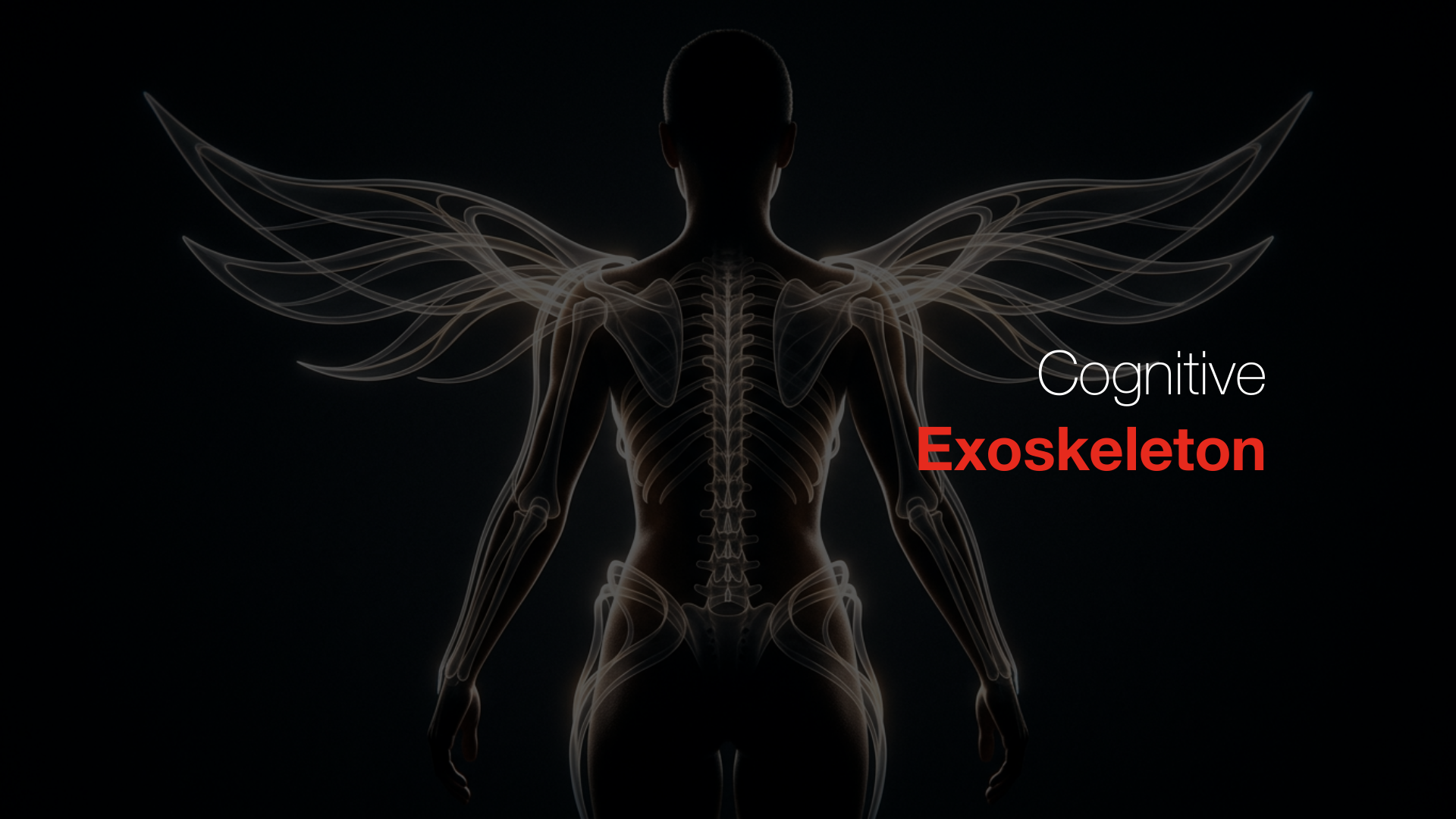
We need to stop treating AI like a cheating device, and start treating it like a cognitive exoskeleton. When a student uses AI to bypass the "Apply" phase — just copying and pasting an essay — that is the cocoon. That is passive consumption. But when a student uses the R.U.A. method to debate an AI, to challenge its logic, to generate five different perspectives on a historical event before writing their own synthesis... that is bridging the gap. That is active creation.
I am a Learning Architect. And as a Learning Architect, my job is to design experiences that prove this dynamic works. In fact, I designed one for you today.
Everything you have experienced for the last 12 minutes — the structure of this speech, the narrative arc, the pacing, even the core outline I submitted to the TEDx organizers — was not created by me sitting alone in a dark room staring at a blank document.
It was co-architected with an AI assistant.
I fed the AI the raw, vulnerable materials of my life: my burnout in Chengdu, my transition to a solopreneur, the mechanics of the R.U.A. method. I acted as the human strategist, giving it the strict parameters of the TEDx format. The AI acted as the computational engine, helping me structure the data.
In fact, the entire R.U.A. process can be embedded into a single prompt, an AI agent, or a built-in logic behind any application. I recognized the target. We understood the context. And today, on this stage, I am applying it.
This is the proof. The synergy of human vulnerability and strategic direction, combined with AI's massive computational power, creates a far superior outcome than either of us working in isolation.

We are standing at the edge of the greatest educational revolution in human history. But technology alone will not save us from the information cocoon. Only a shift in our identity will do that.
To the students in the room: Stop being passive consumers. Stop letting the system spoon-feed you data that you will forget the day after the exam. Step outside the box. Use these tools to challenge your own mind. Become the architect of your own education.
To the educators: Please, step down from the podium. Relinquish the heavy, exhausting burden of being the content provider. Your students don't need you to be a textbook anymore. They need you to be a human. They need your empathy, your mentorship, and your coaching to help them navigate a world that is changing faster than ever before.
Learning is, and always will be, simply learning how to learn.
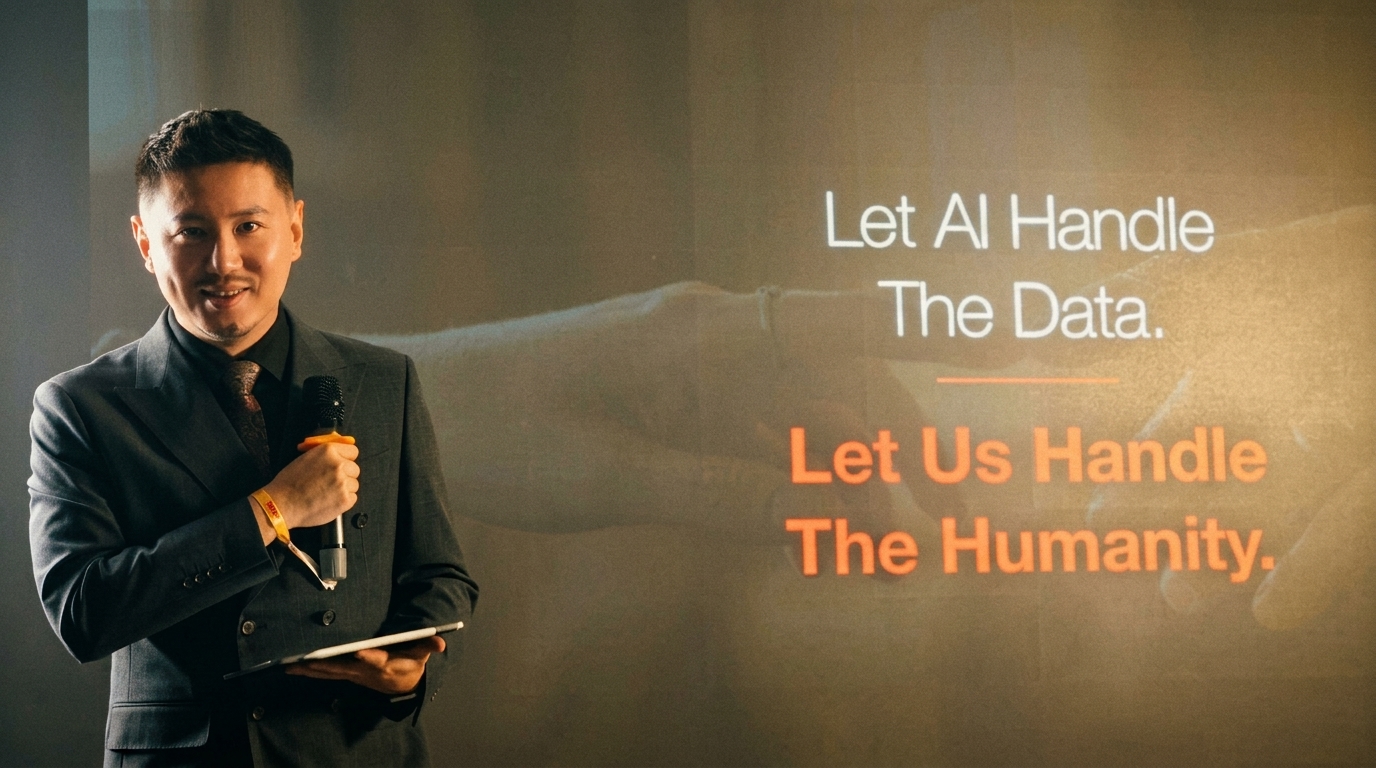
Let AI handle the data. Let us handle the humanity.
Thank you.